
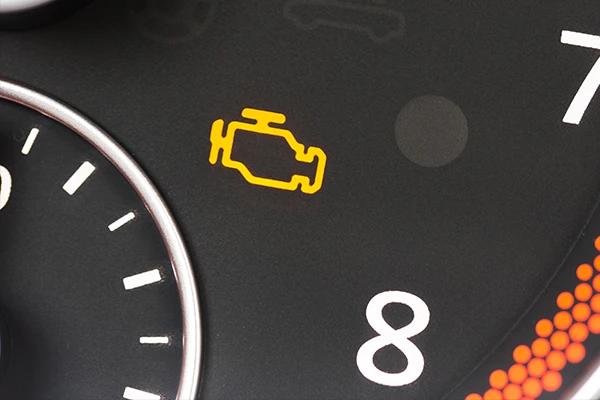
Check engine lights (CELs) are your vehicle’s way of alerting you to an issue. A check engine light indicates a variety of potential problems, ranging from virtually harmless to critical.
Generally, a solid check engine light is your car’s way of saying it needs to be looked at. However, if the check engine light is flashing, there is a more imminent problem, and you should stop driving your car right away.
What Does a Flashing CEL Mean?
When your check engine light is continually blinking, it is a clear indicator that your engine is misfiring.
What is a Misfire?
A misfire occurs when the combustion process has an issue, preventing the air to fuel mixture from igniting. Misfires can be caused by a whole host of factors, but they all produce similar symptoms and the same flashing CEL.
Misfires are usually accompanied by the vehicle running “rough”, feeling underpowered, or in extreme cases, stalling completely. With the engine struggling to produce enough power, both your fuel efficiency and performance will take a significant hit.
Is it Safe to Drive With a Misfire?
No, driving with a misfire is not only harmful to your engine’s fuel economy and power, but it can also lead to serious issues if ignored. While engines can usually still run with a misfire, allowing it to continue can lead to permanent engine damage. The most immediate potential damage from a misfire is a failed catalytic converter, which can cost a lot of money to replace.
Not only this, but misfires can cause random drops in power or stalls. If this happens when you need to accelerate, it could lead to more than just harm to your engine.
What Causes Misfires?
Misfires can be traced back to several areas of the engine, but some of the most common include:
Ignition/Spark Plug Issues
When your vehicle’s spark plugs wear out, they’re unable to produce the spark needed to ignite the air-fuel mixture. This will lead to a misfire in that cylinder, and unburnt fuel being pushed into the exhaust system.
Sensor/Electrical Issues
Your vehicle uses a variety of sensors to relay information to your engine control unit (ECU) to make decisions on the amount of air and fuel as well as the timing of spark plugs. When any of these sensors fail, the ECU won’t have the proper information and can throw off the combustion of certain cylinders, leading to a misfire.
Fuel Injectors
Your fuel injectors deliver the proper amount of fuel to each cylinder during each combustion cycle. When these injectors become faulty, clogged, stuck, or mistimed, they can cause issues during combustion, leading to misfires.
Vacuum Leaks
Similar to a lack of fuel or spark for ignition, a lack of air intake can also cause misfires. One of the most common reasons for an incorrect air-fuel ratio is vacuum leaks. A vacuum leak is any leak between the intake and the throttle body that allows air to escape prior to reaching the engine.
The lack of air can cause the engine to struggle as the proper ratio of air to fuel for the engine is not met.
Emissions System Problems
Modern vehicles use an array of components to lower harmful emissions from the engine. Along with the catalytic converter, the oxygen sensors, positive crankcase ventilation (PCV) system, and exhaust gas recirculation (EGR) system all help lessen engine emissions,
When any of these components encounter an issue, it can lead to a misfire in your engine as the air-fuel ratio will be thrown off.
Check Engine Light Service at Quality A&E
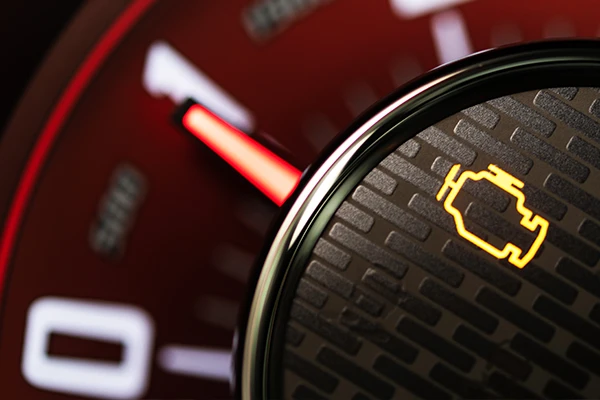
If you’re experiencing a check engine light, especially a flashing one, the experts at Quality Auto & Electric specialize in diagnosing and repairing the issues behind a check engine light, helping keep your vehicle in top condition. Our ASE-certified technicians bring extensive training and experience to every job, so repairs are done right the first time. Call us or schedule an appointment online!